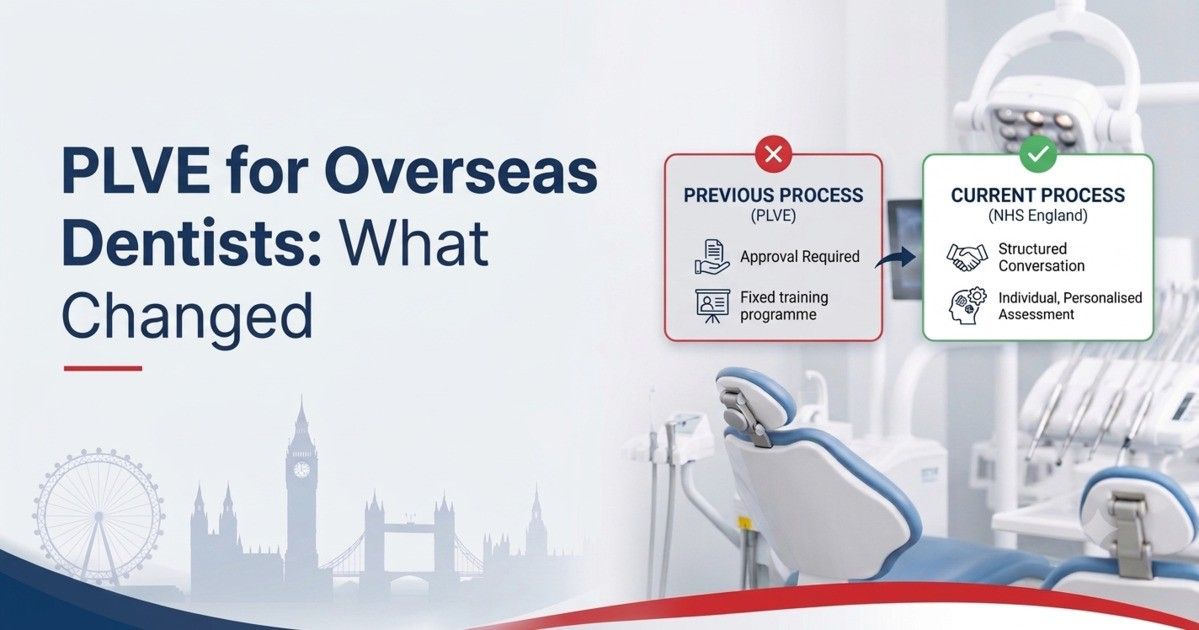
The UK dental sector is facing a significant workforce shortage, with many practices experiencing difficulties recruiting dentists. This has increased the need for practices to consider overseas recruitment as part of their workforce strategy.
Hiring an overseas dentist involves more than filling a vacancy. Practices must consider dentist visa sponsorship, GDC registration, and the candidate’s right to work. This guide explains the key requirements and steps involved in recruiting and sponsoring an overseas dentist.
Can a Dental Practice Sponsor an Overseas Dentist?
Yes. A dental practice can sponsor overseas dentists if it meets the requirements for sponsorship and the role and candidate are eligible under the relevant immigration route.
The practice will generally need an appropriate sponsor licence if the dentist requires employer sponsorship. It must also meet its responsibilities as a sponsor, including keeping accurate records and completing required checks.
However, visa sponsorship does not automatically allow a dentist to practise. The dentist must also meet the relevant GDC requirements.
Why Do Dental Practices Need To Hire and Sponsor an Overseas Dentist?
Overseas-qualified dentists are already an important part of the workforce. According to NHS England data (Dental Workforce, March 2024), the national vacancy rate for NHS general dentist posts stood at 21%, with regional variation ranging from 15% in London to 22% in the South West. For practices facing persistent vacancies, hiring overseas dentists and offering visa sponsorship can therefore provide access to a wider pool of qualified professionals and help address staffing shortages.
Overseas-qualified dentists are already an important part of the workforce. In 2025, 53% of dentists joining the GDC register were internationally qualified, compared with 47% who qualified in the UK. Around a third of all registered dentists now qualified outside the UK.
For practices facing persistent vacancies, hiring overseas dentists and offering visa sponsorship can therefore provide access to a wider pool of qualified professionals and help address staffing shortages.
What Does a Dental Practice Need Before Sponsoring a Dentist?
A practice planning to sponsor a dentist should first establish whether it needs a sponsor licence and whether the vacancy is suitable for sponsorship.
The practice should have:
- An eligible dental role
- The appropriate sponsor licence, where required
- A suitable salary and working arrangement
- Systems for right-to-work and record checks
- Processes for meeting ongoing sponsor duties
How to Check Whether an Overseas Dentist Can Work
Before making an offer, practices should check both the dentist’s professional status and immigration status.
Check GDC Registration
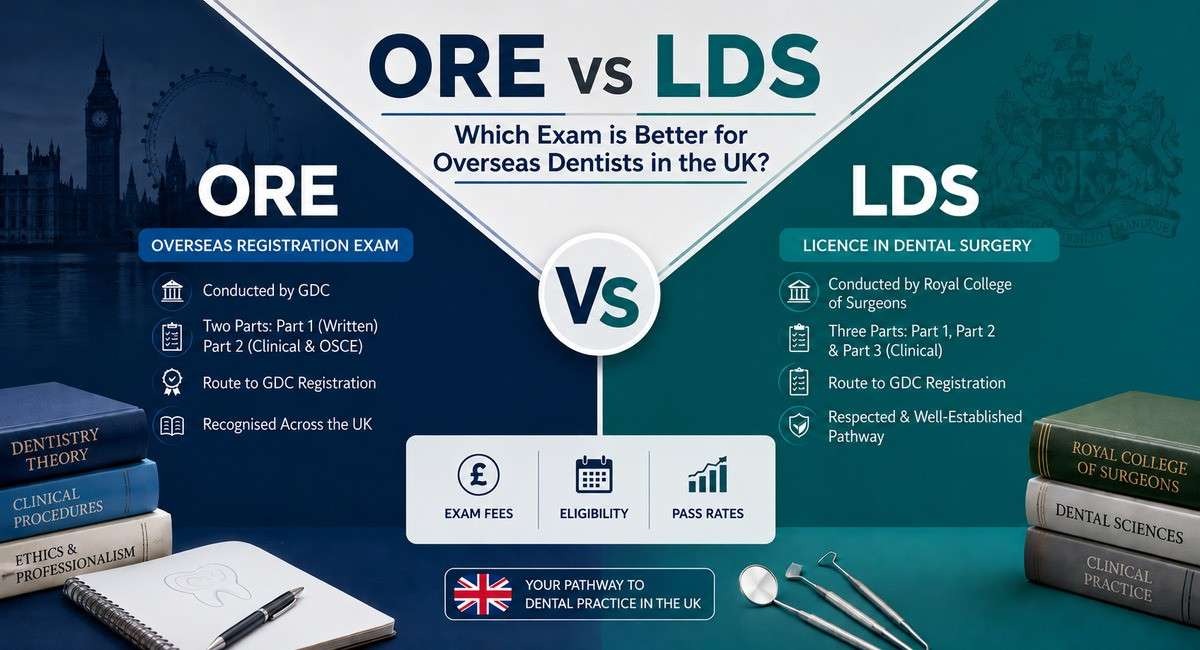
Dentists must meet the relevant GDC requirements before practising. The registration route depends on the dentist’s qualifications and circumstances. Some overseas-qualified dentists may need to complete the Overseas Registration Examination (ORE).
Check Right to Work
Visa sponsorship for dentists is separate from GDC registration. A dentist may be professionally qualified but still need immigration permission to work.
Practices should therefore check the candidate’s current right-to-work status and determine whether sponsorship is necessary.
Check Qualifications and Experience
Review the dentist’s qualifications, clinical experience, references and professional history. This helps confirm that the candidate is suitable for the specific position.
Where Can Dental Practices Find Overseas Dentists?
Practices looking to hire overseas dentists can use a specialist dental recruitment agency, professional networks, and dental job platforms.
The job advert should clearly state whether sponsorship is available and whether the applicant needs existing GDC registration. This can reduce unsuitable applications and make the recruitment process more efficient.
How to Assess an Overseas Dentist Before Making an Offer
A CV alone is not enough when assessing an overseas dentist. Practices should review:
- Dental qualifications and clinical experience
- GDC registration
- Professional references
- Right-to-work position
- Relevant clinical skills
- Availability and relocation plans
- Any additional requirements for the role
How the Dentist Sponsorship Process Works
Once a suitable candidate has been selected, the practice can begin the sponsorship process. The main steps are:
- Confirm that the role and candidate meet the sponsorship requirements.
- Check that the practice holds the required sponsor licence.
- Confirm the appropriate occupation code and salary.
- Provide the required information for the Certificate of Sponsorship (CoS).
- Assign the CoS to the successful candidate.
- The dentist uses the sponsorship details for their visa application.
- Complete the required right-to-work checks before employment begins.
What Is a Certificate of Sponsorship for a Dentist?
A Certificate of Sponsorship is an electronic record that contains information about the sponsored worker and their job. It is not a physical certificate.
For a practice sponsoring a dentist, the CoS must contain accurate details about the role, salary and employment. The type of CoS required depends on the dentist’s circumstances.
The practice should check all information carefully before assigning the CoS, as incorrect details can cause delays or affect the visa application.
How Much Does It Cost to Sponsor an Overseas Dentist?
The cost of dentist visa sponsorship depends on several factors. Practices need to budget for:
- Sponsor licence fees
- Certificate of Sponsorship fees
- Immigration Skills Charge, where applicable
- Recruitment costs
- Relocation assistance
- Professional or immigration advice, if required
What Salary Must a Sponsored Dentist Be Paid?
Salary is an important part of sponsorship. A practice cannot simply choose any salary it wishes to offer if the role is being sponsored under the Skilled Worker route. This means the practice must pay the dentist at least the general Skilled Worker salary threshold of £41,700 per year, or the “going rate” for the occupation, whichever is higher, reduced to £33,400 for eligible “new entrants” to the profession.
These thresholds took effect on 22 July 2025 and are reviewed periodically, so practices should always check the current figures on gov.uk before assigning a Certificate of Sponsorship. Note that dentists remain eligible for standard Skilled Worker sponsorship; unlike some other dental roles, dental nurses and dental hygienists/therapists lost eligibility for new Skilled Worker sponsorship from July 2025 onward.
Common Problems When Sponsoring Overseas Dentists
Several issues can delay recruitment or create compliance problems. Common mistakes include:
- Offering sponsorship before checking GDC requirements
- Using incorrect job or occupation information
- Failing to meet the relevant salary requirements
- Providing inaccurate information on the CoS
- Not completing the correct right-to-work checks
- Assuming visa sponsorship allows the dentist to practise
- Failing to maintain required sponsor records
How Long Does It Take to Hire an Overseas Dentist?
There is no single timeline for recruiting overseas dentists. The process depends on the candidate’s GDC status, the practice’s sponsor licence, and the relevant visa process.
A practice that already has a sponsor licence may be able to move through the employer stages more quickly than one that needs to apply for a licence first.
Final Thoughts
For practices considering dentist visa sponsorship, successful recruitment requires more than finding an overseas candidate. The practice needs to assess the dentist’s qualifications, GDC status, right to work, and suitability for the role before sponsorship begins.
At Saint Visage, we provide visa sponsorship to overseas dentists, helping them navigate the process of relocating and building their dental careers in the UK.
Frequently Asked Questions
Can a dental practice sponsor a dentist who is already in the UK?
Useful because an overseas dentist may already have UK immigration permission but need a new sponsor or a change of employer.
Can a sponsored dentist change dental practices?
Yes, but they must first secure a job offer from a licensed employer and successfully apply for a new visa before switching. They cannot start working at the new practice until the Home Office approves their new application.
What must a practice do if a sponsored dentist leaves?
The practice must report relevant changes in the sponsored worker’s circumstances to UKVI, generally within 10 working days. This includes situations where the practice stops sponsoring the worker.
Can an overseas dentist work in a dental practice under temporary GDC registration?
Generally, no. The GDC states that temporary registration is not intended for working in primary care, private hospitals, or dental practices. It is intended for specific training, research, or NHS hospital/university programmes.
What happens if a sponsored dentist’s place of work changes?
The practice may need to report a change in the worker’s normal work location if it differs from the location recorded on the CoS. This is particularly relevant for practices with multiple branches.