Building a successful dental career in the UK involves more than obtaining a recognised dental qualification. Dentists must understand the General Dental Council (GDC) registration requirements, gain appropriate clinical experience and continue developing their professional skills.
The UK dental profession offers several career pathways, including general dental practice, hospital dentistry, community services, academic roles and specialist training. Dentists can also develop clinical interests in areas such as implant dentistry, cosmetic dentistry and advanced restorative treatments.
According to the General Dental Council’s March 2026 working-patterns data, 68% of responding dentists work primarily in general dental practice, while 60% are self-employed, agency workers or locums. A further 15% are business owners or part-owners. These figures demonstrate the variety of working arrangements and career opportunities available within the profession.
Whether you are a newly qualified dentist, an internationally qualified professional planning to work in the UK, or an experienced clinician looking to advance your career, understanding the available pathways can help you make informed professional decisions.
Understanding the Dental Profession in the UK
Dentistry is a regulated profession in the UK. The GDC maintains the register of qualified dental professionals and sets the standards they must follow. Only registered dentists can legally practise dentistry in the UK.
The profession includes several working environments, including NHS practices, private clinics, hospitals, community dental services and universities. GDC working patterns data also shows that 60% of responding dentists work as self-employed professionals, agency workers or locums, while 15% are business owners or part-owners. These figures demonstrate the different employment and business opportunities available.
For professionals planning their dental career in the UK, understanding these working arrangements can help them choose a suitable long-term direction.
How to Start Your Dental Career in the UK
Obtaining a Recognised Dental Qualification
The standard route into dentistry involves completing a five-year undergraduate dental degree, usually leading to a Bachelor of Dental Surgery (BDS) or equivalent qualification. Some universities also offer four-year graduate-entry programmes for eligible applicants.
Registering with the General Dental Council
After obtaining an eligible qualification, dentists must secure GDC registration before practising. Overseas-qualified professionals must follow the appropriate registration route, which may involve additional examinations and evidence of English language proficiency.
The Overseas Registration Examination (ORE) and Licence in Dental Surgery (LDS) are the routes for eligible internationally qualified dentists.
Completing Dental Foundation Training
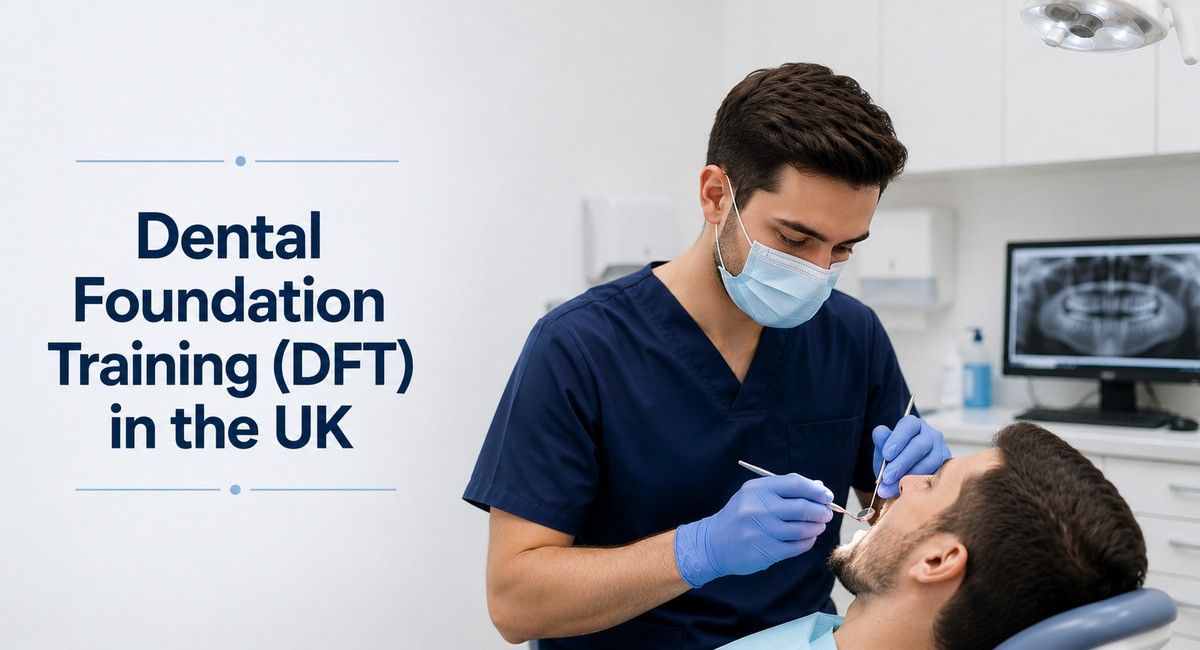
Dental Foundation Training (DFT) is usually the next step for newly qualified dentists in the UK. The standard programme lasts 12 months and combines supervised clinical experience with structured educational activities.
During training, dentists develop practical skills, manage a range of patient needs and receive guidance from experienced educational supervisors.
Following satisfactory completion, foundation dentists receive a Certificate of Satisfactory Completion of Dental Foundation Training. This supports their progression towards independent practice and NHS primary dental care, subject to the relevant Performers List requirements.
DFT is a common pathway for newly qualified dentists, but it is not a universal requirement for every dentist entering UK practice. Certain internationally qualified and experienced dentists may be eligible to access NHS Performers Lists through alternative routes.
Dentists should check the applicable requirements in the UK nation where they intend to practise.
Career Opportunities for Dentists in the UK
Dentists can choose from several dental career opportunities in the UK, depending on their qualifications, experience and interests.
General Dental Practitioner
General dental practitioners provide examinations, preventive care, fillings and other routine treatments. They usually work in NHS, private or mixed dental practices.
Associate Dentist
Associate dentists work within established practices, treating patients without owning the business. Many work on a self-employed basis under an agreement with the practice owner.
Hospital Dentist
Hospital dentists provide care for patients with complex dental conditions. Their work may involve oral surgery, restorative dentistry and multidisciplinary treatment.
Community Dentist
Community dentists focus on patients who face barriers to accessing general dental services. This includes people with additional needs, medical conditions or difficulties receiving routine care.
Academic Dentist
Academic dentists combine dental knowledge with teaching and research. They may educate dental students, supervise postgraduate training or contribute to clinical research.
Specialisation Opportunities in UK Dentistry
Dentists in the UK can develop their careers by pursuing postgraduate education, advanced clinical training and recognised specialist pathways.
Formal specialist training is available in areas such as orthodontics, oral surgery, paediatric dentistry, endodontics, periodontics, prosthodontics and restorative dentistry, among other recognised specialties.
The duration and entry requirements vary depending on the chosen specialty and approved training programme.
Successful completion of an approved specialist training pathway can lead to a Certificate of Completion of Specialist Training (CCST). Dentists must also meet the General Dental Council’s requirements for entry onto the relevant specialist list before using the protected specialist title.
Alongside formal specialist training, dentists can develop additional clinical interests in areas such as:
- Implant dentistry
- Cosmetic and aesthetic dentistry
- Clear aligner treatments
- Advanced restorative dentistry
- Digital dentistry.
- Advanced endodontic techniques
These areas can provide opportunities to expand clinical capabilities and treatment options. However, completing a postgraduate course or developing a clinical interest does not automatically confer GDC-recognised specialist status.
Choosing appropriate education, supervised clinical experience and mentorship is important when developing expertise in these areas.
Career Progression and Professional Development
After foundation training, dentists can enter general practice, pursue dental core training or explore community dentistry. Those interested in hospital or specialist careers can apply for further training.
Professional development also requires ongoing learning. Dentists must complete at least 100 hours of verifiable CPD over every five-year cycle, alongside other GDC requirements. Courses, clinical training and professional mentoring can help dentists maintain their skills and develop new areas of expertise.
Progressing Through NHS and Private Dentistry
Dentists in the UK can develop their careers through NHS, private or mixed dental practice. Each setting offers different clinical experiences and opportunities.
Developing Experience Through NHS Dentistry
NHS dentistry provides opportunities to develop clinical experience and work with patients from different backgrounds.
Key opportunities include:
- Providing preventive and restorative dental treatments.
- Managing patients with varied oral health needs.
- Developing clinical efficiency and treatment-planning skills.
- Working with experienced dental professionals.
- Progressing into clinical training and leadership roles.
- Exploring community and hospital-based dentistry.
Building a Career in Private Dentistry
Private practice offers dentists opportunities to develop their clinical interests and work in different practice environments.
Common areas of private dental practice include:
- Restorative dentistry.
- Cosmetic dental treatments.
- Implant dentistry.
- Clear aligner treatments.
- Advanced treatment planning.
- Mixed NHS and private practice.
Developing Advanced Clinical Skills
Dentists can expand their professional expertise through postgraduate education and additional clinical training.
Popular areas for further development include:
- Implant dentistry.
- Clear aligner treatments.
- Advanced restorative dentistry.
- Digital dentistry.
- Cosmetic dental procedures.
- Endodontic techniques.
Moving Into Dental Leadership and Practice Ownership
Experienced dentists may progress into management and business ownership.
Potential career opportunities include:
- Becoming a dental practice partner.
- Establishing an independent dental clinic.
- Managing an existing dental practice.
- Taking responsibility for clinical governance.
- Leading dental teams and supervising staff.
- Expanding into multi-practice management.
Exploring Academic and Hospital-Based Careers
Dentists interested in education, research or complex clinical cases can consider careers outside general practice.
Academic dentistry offers opportunities in:
- Teaching undergraduate dental students.
- Supervising clinical training.
- Conducting dental research.
- Developing educational programmes.
- Contributing to postgraduate education.
Hospital and community dentistry offer opportunities in:
- Managing complex dental conditions.
- Working with multidisciplinary healthcare teams.
- Providing specialist referral services.
- Treating patients with additional healthcare needs.
- Supporting vulnerable groups through community dental services.
Building Your Dental Career with Saint Visage Development Programmes
Choosing the right training and mentorship can make a significant difference to long-term career development. At Saint Visage, we offer three structured dental development programmes in the UK, designed to help dentists strengthen their clinical skills and progress towards their professional goals.
Each programme focuses on a different area of dentistry:
- Associate Development Programme (ADP): A structured three-year pathway for newly qualified and overseas dentists. It includes principal-led mentorship, clinical support and training in restorative, cosmetic and general dentistry. The programme also provides support with GDC registration and relocation for eligible international dentists.
- Implant Development Programme (IDP): A five-year development pathway for dentists interested in implantology. It focuses on implant placement, restoration, digital treatment planning and advanced surgical techniques, alongside dedicated mentorship and postgraduate training.
- Cosmetic Development Programme (CDP): A five-year pathway for dentists interested in aesthetic dentistry. Training focuses on smile design, composite bonding, veneers, clear aligners and advanced cosmetic treatment planning.
Final Thoughts
Building a successful dental career in the UK requires careful planning, recognised qualifications, appropriate professional registration and a commitment to continuous development.
From general dental practice and hospital dentistry to specialist training, implant dentistry, cosmetic treatments and practice ownership, dentists have several opportunities to shape their professional journeys.
The right career pathway will depend on your qualifications, clinical experience, interests and long-term ambitions. Investing in structured education, clinical mentorship and relevant professional development can help you build the skills and experience needed for continued progression.
Whether you are starting your dental career in the UK or looking to advance your existing clinical experience, taking a structured approach to professional development can help you move towards your goals.
Frequently Asked Questions
Can I start working in the UK immediately after passing the ORE?
No. Passing the Overseas Registration Examination (ORE) does not automatically allow you to practise. You must first complete the GDC registration process. You must also meet the relevant immigration and employment requirements if you are not already entitled to work in the UK.
Do private dentists need to join the NHS Performers List?
No. Dentists working exclusively in private practice do not need to join the NHS Dental Performers List in England. However, dentists providing NHS primary dental services in England must meet the relevant eligibility requirements and join the list.
Is professional indemnity compulsory for dentists in the UK?
Yes. The GDC requires dental professionals to have appropriate indemnity or insurance before practising. Cover must reflect the treatments and responsibilities within their scope of practice. Some employers provide cover, but dentists must check that it is adequate for their work.
Can a dentist work in more than one dental practice in the UK?
Yes. Dentists can work across multiple practices, provided they maintain appropriate GDC registration, indemnity and employment arrangements. Those providing NHS primary dental services in England must also meet the relevant Performers List requirements.
Can a dentist work in the NHS and private practice at the same time?
Yes. Dentists can provide both NHS and private treatments, subject to their contractual arrangements and applicable NHS regulations. They must maintain clear patient records and explain the costs and treatment options appropriately.