The UK dental industry has changed rapidly in recent years. NHS pressures, rising patient demand and the growth of cosmetic dentistry have pushed many professionals to rethink their careers.
For dentists, the debate around NHS vs Private Dentistry in the UK is no longer only about salary. Work-life balance, flexibility, clinical freedom and long-term growth now matter just as much.
Some dentists prefer the stability of the NHS. Others move towards private dental practice settings for better autonomy and income potential.
This guide compares both career paths professionals commonly choose. It explores salary, workload, career progression and job satisfaction.
Understanding the Difference Between NHS and Private Dentistry
Although NHS and private dentists provide similar core treatments, the way they operate is very different.
What Is NHS Dentistry?
An NHS dentistry career focuses on publicly funded dental care. Dentists provide treatments considered necessary for oral health, such as fillings, crowns, examinations and extractions.
Most NHS practices work under the UDA system. Dentists are expected to meet yearly treatment targets.
One major advantage of working in NHS dentistry is consistent patient demand. NHS practices are usually busy, which helps dentists gain strong clinical experience.
However, NHS dentistry can also involve heavy workloads, shorter appointments and administrative pressure.
What Is Private Dentistry?
Private dentistry operates independently from NHS funding and allows practices to set their own treatment fees and services. Private practices set their own fees and treatment plans. This allows dentists to offer services such as implants, Invisalign, veneers and teeth whitening.
One of the biggest benefits of private dental practice in the UK settings is clinical freedom. Dentists often have more time with patients and greater flexibility in treatment choices.
Private dentistry may also offer higher earning potential. However, income can vary depending on reputation, location and patient demand.
What Is a Mixed Dental Practice?
Mixed practices provide both NHS and private treatments. This model has become increasingly popular across the UK. Many dentists prefer it because it combines NHS stability with private income opportunities.
Mixed practices are especially common among newly qualified dentists. They allow clinicians to build experience while gradually developing private skills.
For many professionals, mixed practices offer a more balanced approach to dental careers in the UK.
NHS vs Private Dentistry: Salary and Earnings Comparison
Salary is one of the biggest factors when choosing between NHS and private dentistry.
However, earnings depend on several factors, including experience, location and special interests.
How NHS Dentists Get Paid
Most NHS dentists are paid through UDA-based contracts. Associate dentists usually earn income based on the number of UDAs they complete. This creates more predictable earnings compared to private work.
An NHS dentistry career may also provide benefits such as pension schemes and stable patient flow.
However, many dentists feel the UDA system creates pressure to see large numbers of patients.
How Private Dentists Earn Income
In private dentistry career settings, dentists earn income through treatment fees.
This creates more flexibility and stronger earning potential. Dentists can provide cosmetic and specialist treatments that are not commonly available under the NHS.
Many professionals move towards private dental practice models for better control over workload and income growth.
However, private income is less predictable. Success often depends on patient demand and reputation.
Which Career Path Offers Higher Earnings?
When comparing NHS dentist salary figures with private income, private dentistry usually offers higher long-term earning potential. However, NHS dentistry can provide more stability, especially for newly qualified dentists.
Private dentistry may become more profitable for clinicians who develop specialist skills or build strong patient relationships. The best option depends on career goals, lifestyle preferences and risk tolerance.
Work-Life Balance and Job Satisfaction
Work-life balance has become a major concern within modern dental careers in the UK. Many dentists now prioritise flexibility and wellbeing alongside income.
The Reality of Working in NHS Dentistry
For many clinicians, working in NHS dentistry can be rewarding but demanding.
NHS dentists often manage high patient volumes and strict schedules. Administrative tasks and UDA targets can also increase stress.
Short appointment times may limit the ability to provide more personalised care.
Working in Private Dentistry
Private dentistry often provides greater flexibility and control over daily schedules.
Dentists may have longer appointment times, fewer patient quotas and more freedom in treatment planning. This can improve both patient experience and job satisfaction.
However, private dentistry can bring different pressures. Patient expectations are usually higher, particularly in cosmetic and specialist treatments.
Clinical Freedom and Quality of Care
Clinical freedom is one of the biggest differences between NHS and private dentistry. Many dentists want greater control over treatment planning, appointment times and patient care.
Treatment Restrictions in NHS Dentistry
NHS dentistry focuses on essential treatments. Dentists often work within strict funding guidelines and limited appointment times.
This can reduce flexibility when recommending certain procedures or materials. Many clinicians feel the NHS system limits the level of personalised care they can provide.
Clinical Freedom in Private Dentistry
Private dentistry usually offers more freedom in treatment planning. Dentists can spend longer with patients and use advanced materials or technology where needed.
This is one reason many professionals move towards private dental practice settings. Greater flexibility often improves both patient experience and professional satisfaction.
Does Private Dentistry Offer Better Care?
Private clinics may offer more treatment options and longer appointments. However, quality of care still depends on the dentist’s skill and experience.
Excellent care can exist in both NHS and private settings. The real difference is often the amount of time and flexibility available to the clinician.
Career Growth and Professional Development
Career progression is another major factor in the NHS vs Private Dentistry debate. Both pathways offer growth opportunities, but they suit different long-term goals.
Career Growth in NHS Dentistry
An NHS dentistry career can provide structured progression. Dentists may move into hospital dentistry, specialist training, teaching or community dental services.
The NHS also offers strong clinical exposure, especially early in a dentist’s career.
Growth Opportunities in Private Dentistry
Private practice often provides broader opportunities for professional development. Dentists may expand into specialist and cosmetic treatments, including implants, orthodontics and facial aesthetics.
Private practice can also lead to practice ownership and higher long-term income potential.
Which Path Offers Better Long-Term Growth?
There is no single answer.
NHS dentistry may suit professionals looking for structure and stability. Private dentistry may appeal more to dentists focused on flexibility and business growth.
The Challenges Facing NHS Dentistry in the UK
The NHS dental sector has faced increasing pressure in recent years. Funding concerns, patient backlogs and workforce shortages have affected both dentists and patients.
NHS Funding Pressures
Many dentists believe NHS funding no longer reflects rising treatment costs and workload demands.
This has created financial pressure for practices across the UK.
Workforce Shortages and Burnout
High workloads and recruitment challenges have increased stress levels within NHS dentistry.
Some clinicians report burnout due to patient demand, administrative pressure and UDA targets.
Why Some Dentists Leave the NHS
Many dentists move towards private practice for better flexibility, reduced pressure and improved earning potential. Others leave because they feel restricted by the NHS system.
However, despite these challenges, NHS dentistry remains an important part of UK healthcare.
Why Some Dentists Still Prefer NHS Careers
Although private dentistry continues to grow, many professionals still choose NHS roles.
- Stable Patient Demand
- Public Service and Community Care
- Strong Experience for New Dentists
Why More Dentists Are Moving Towards Private Practice
Private dentistry has expanded rapidly across the UK. Many professionals are attracted by the greater flexibility and income potential.
- Higher Earning Potential
- Better Work-Life Balance
- Greater Clinical Independence
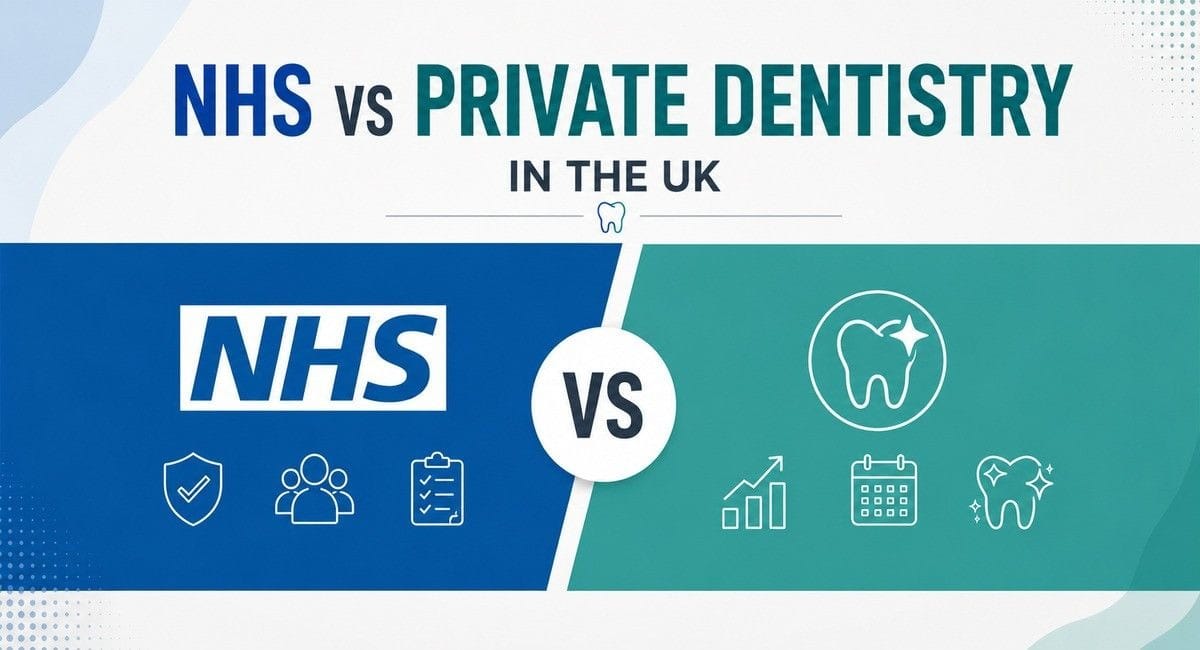
NHS vs Private Dentistry: Pros and Cons
| NHS Dentistry | Private Dentistry |
| Stable patient demand | Higher earning potential |
| NHS pension benefits | Greater clinical freedom |
| Strong early-career experience | Better schedule flexibility |
| High workload pressure | Less predictable income |
| Limited treatment flexibility | Higher patient expectations |
Can Dentists Combine NHS and Private Work?
Yes. A study shows 30% of UK dentists now work in mixed practices. This model combines the stability of NHS dentistry with the flexibility and earning potential of private care.
Mixed practices have become increasingly popular because they offer balance and reduced financial risk.
For many clinicians, this is one of the most practical options within modern dental careers in the UK.
Final Verdict: NHS or Private Dentistry?
The debate around NHS or private dentistry does not have a universal answer. NHS dentistry may suit professionals who value stability, structured progression and public service.
Private dentistry may appeal more to dentists looking for flexibility, clinical freedom and higher income potential.
For many UK dentists, mixed practice offers the best balance between both systems.
Ultimately, the right choice depends on personal goals, lifestyle preferences and long-term career ambitions.
Frequently Asked Questions
Do private dentists earn more than NHS dentists in the UK?
In many cases, yes. Private dentistry often offers higher long-term earning potential, especially for dentists providing cosmetic or specialist treatments.
However, NHS dentistry can provide more stable income early in a career. Earnings in both sectors depend on experience, location and patient demand.
Can NHS dentists switch to private practice?
Yes. Many dentists begin in NHS or mixed practices before moving into private dentistry later in their careers.
Why is it difficult to find an NHS dentist in the UK?
The UK has faced ongoing NHS dental shortages due to funding pressures, workforce challenges and growing patient demand.
Many practices have reduced NHS availability or moved partially towards private care. This has made access difficult in several parts of the country.
Which career path is better for newly qualified dentists?
Many newly qualified dentists start in NHS or mixed practices because they provide high patient volume and broad clinical experience.
Why do private dentists have longer appointments?
Private practices usually have more flexibility with scheduling because they are not tied to NHS funding structures or UDA targets.
Longer appointments allow dentists to spend more time on treatment planning, patient communication and preventative care.