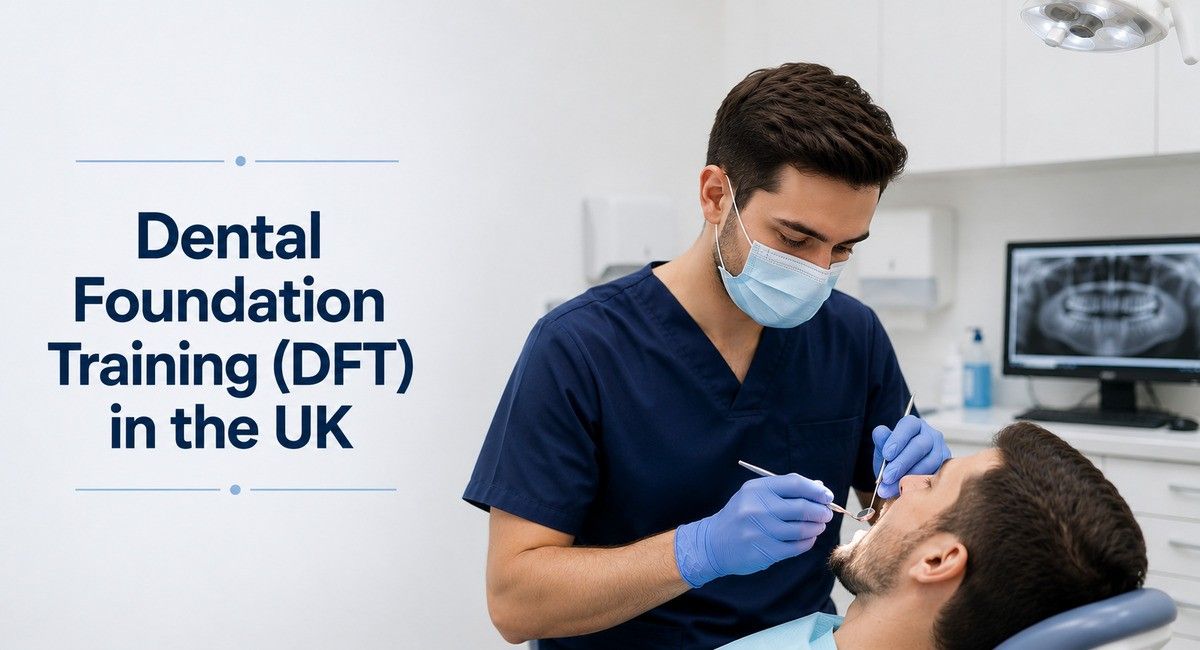
Graduating from dental school is an important step, but it is also the beginning of your professional development. For many newly qualified dentists in the UK, Dental Foundation Training (DFT) provides the transition from university-based learning to clinical practice.
DFT combines supervised clinical experience with structured education. It helps new dentists develop their clinical judgement, communication skills and confidence while working in general dental practice. The full-time programme normally lasts 12 months.
This guide explains what dental foundation training involves, who can apply, how the programme works and what dentists can expect from their first year after graduation.
What Is Dental Foundation Training?
Dental Foundation Training is a postgraduate training programme for newly qualified dentists. It builds on the knowledge and skills gained during undergraduate dental education and helps dentists prepare for independent practice.
The programme combines practical experience in a dental practice with formal education and supervision. Rather than learning only through lectures or university clinics, Foundation Dentists treat patients in a real practice environment. This provides experience of managing appointments, treatment planning, patient communication and the day-to-day responsibilities of general dentistry.
A key part of the programme is the support provided by an Educational Supervisor. They monitor progress, provide feedback and help the Foundation Dentist identify areas for further development.
How long is Dental Foundation Training?
A full-time dental foundation year lasts 12 months. During this period, dentists work in an approved training practice and attend structured study sessions as part of the programme.
The aim is not simply to complete a set period of employment. Dentists must demonstrate that they have developed the required competencies before they can be signed off as having satisfactorily completed DFT.
Who Can Apply for Dental Foundation Training?
Understanding DFT eligibility is important before starting an application.
For the current 2027/28 recruitment process, applicants must meet the requirements set out in the national person specification. This includes having full registration with the General Dental Council (GDC) by the start of the post and being eligible to join the relevant dental performers or dental list:
- the Dental Performers List for England
- the Dental Performers List (Wales)
- the HSC Dental List in Northern Ireland
- the Dental List in Scotland
Applicants also need to meet the relevant qualification and experience requirements. The current person specification states that applicants normally need less than 12 months of experience working as a dentist by the intended start date. Dentists with 12 months or more experience may need to consider the foundation equivalence route instead.
How Does Dental Foundation Training Work?
The dental foundation training programme is designed around supervised clinical work, education and ongoing assessment.
Training in General Dental Practice
Most of the learning takes place in a dental practice. This gives Foundation Dentists experience of providing care in a real clinical environment.
The experience can include:
- Assessing patients and developing treatment plans
- Providing routine dental treatment
- Managing patient expectations
- Communicating with the wider dental team
- Managing clinical records
- Working within time and workload constraints
- Recognising when advice or referral is required
Support from an Educational Supervisor
Each Foundation Dentist has an Educational Supervisor who oversees their development. The supervisor provides guidance, discusses cases, reviews progress and gives feedback throughout the year.
Study Days and Structured Learning
DFT also includes formal study sessions alongside clinical work. These sessions support the national curriculum and provide opportunities to develop knowledge in areas that complement day-to-day practice.
What Will You Learn During Dental Foundation Training?
The main purpose of DFT is to help dentists become safe, competent and reflective practitioners.
During the year, Foundation Dentists develop both clinical and professional skills. These can include:
- Clinical decision-making
- Treatment planning
- Patient communication
- Managing routine and more complex cases
- Professionalism and ethics
- Clinical record keeping
- Teamworking
- Time management
- Recognising personal limitations
- Seeking appropriate advice and support
How Is Dental Foundation Training Assessed?
Foundation Dentists use the national Dental e-Portfolio to record their progress, feedback, assessments and learning.
Assessments include:
Clinical Case Reviews (CCRs)
Case-based Discussions (CbD)
Direct Observation of Procedural Skills (DOPS), Multi-Source Feedback (MSF) and patient feedback. These help identify strengths and areas for improvement.
At the end of DFT, a Review of Competence Progression (RCP) takes place to confirm whether the required competencies have been achieved.
What Is the DFT Application Process?
The Dental Foundation Training application is completed through the Oriel recruitment portal for the national recruitment process. Applicants must create an Oriel account and submit the required application within the stated deadline.
For the current recruitment process, selection is based on the Situational Judgement Test (SJT). From 2025 onwards, the national DFT recruitment process has used the SJT as the selection assessment, with no communication station or virtual interview. Applicants should check the latest official recruitment guidance and person specification for the relevant training year, as application requirements and processes may be updated.
What Happens After Dental Foundation Training?
Completing Dental Foundation Training is an important milestone, but it is not the end of professional development. After DFT, dentists can choose from several career routes depending on their interests, skills and long-term goals.
Becoming an Associate Dentist
Many dentists move into an associate dentist role after completing DFT. This can be in an NHS, private or mixed dental practice.
When choosing your first role after DFT, look beyond the job title. Consider the level of clinical support, access to mentorship, training opportunities and the range of treatments available.
A supportive practice can help you continue developing your skills while gradually taking on more complex cases.
Dental Core Training
Dental Core Training (DCT) is another option after DFT, particularly for dentists who want to gain experience in hospital dentistry or work towards further postgraduate training.
DCT usually follows the first year of DFT and can last for one, two or three years. Completing DCT2 can also support applications for specialty training.
Further Education and Specialisation
Some dentists choose to continue their education after DFT through postgraduate qualifications, clinical courses or specialty training.
Others choose to remain in general practice while developing particular areas of interest, such as restorative dentistry, clear aligners, cosmetic dentistry or oral surgery.
How to Choose Your First Role After DFT
Your first position after DFT can have a significant impact on your development. When comparing practices, consider:
- Clinical support: Is experienced advice available when you need it?
- Mentorship: Will you have someone who can discuss cases and support your development?
- CPD and training: Are there opportunities to build new clinical skills?
- Treatment opportunities: Will you be able to develop beyond routine dentistry?
- Career progression: Is there a clear pathway for your future?
Why Mentorship Matters After DFT
The transition from DFT to independent practice can bring new challenges. You may encounter more complex treatment plans, difficult clinical decisions and cases that require further discussion.
This is where mentorship can be particularly valuable. Regular guidance from an experienced dentist can help you assess cases, improve your treatment planning and identify areas for further training.
Continued support also allows dentists to develop their skills without feeling that professional development stops when DFT ends.
Building Your Career After DFT with Saint Visage
For dentists looking for structured development after DFT, Saint Visage offers a 3-year Associate Development Programme built around principal-led mentorship, funded training and clinical progression. The programme is designed for newly qualified and overseas dentists and includes opportunities to develop skills in areas such as composite bonding, clear aligners and smile design.
The aim is to provide a clear path for dentists who want to continue developing their clinical skills while building a long-term career in dentistry.
Final Thoughts
Dental Foundation Training provides a strong foundation for your dental career, but your development should continue beyond the training year. Whether you choose associate dentistry, Dental Core Training or further postgraduate education, consider what will help you develop your clinical skills and achieve your long-term goals.
Choosing a practice with strong mentorship, training and career progression can make the transition after DFT more structured and rewarding.
Frequently Asked Questions
Is Dental Foundation Training compulsory in the UK?
DFT is not legally compulsory for every dentist, but it is the standard route for newly qualified UK dentists who want to work in NHS primary dental care.
What happens after Dental Foundation Training?
After DFT, many dentists move into associate dentistry in NHS, private or mixed practices. Others choose Dental Core Training (DCT) or further postgraduate education. The right option depends on your clinical interests and long-term career plans.
Do I need DFT before becoming an associate dentist?
Not necessarily. DFT is the standard route for newly qualified dentists seeking NHS primary care eligibility, but dentists who have not completed DFT may be eligible through an equivalence/VTE route, depending on their circumstances, registration and experience.
What should I look for in a dental practice after DFT?
Look for appropriate clinical support, experienced mentorship, access to CPD and opportunities to develop your skills. The first role after DFT can be an important stage in building confidence and deciding which areas of dentistry you want to pursue.